

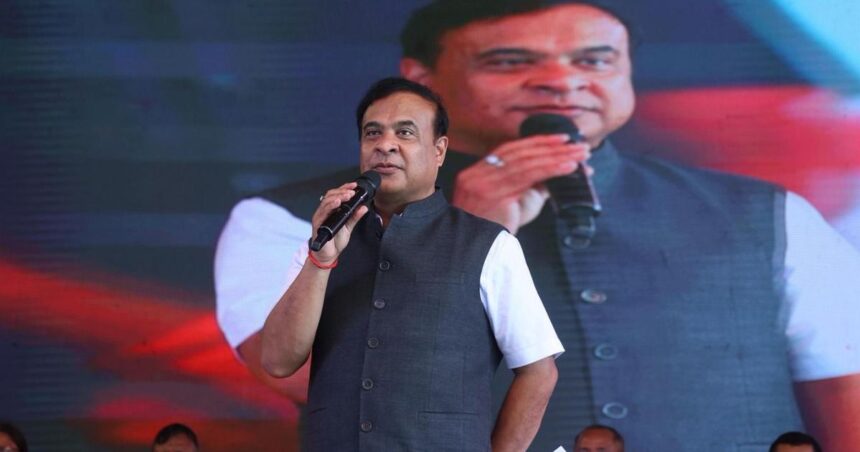
New Delhi | Assam Chief Minister Himanta Biswa Sarma has triggered sharp criticism over a series of provocative statements targeting ‘Miyas’, urging BJP workers to seek deletion of their names from electoral rolls and discouraging their participation in elections. In one instance, he even called on people to economically harass Muslim rickshaw pullers by underpaying them.
Although Sarma attempted to qualify his remarks on January 28 by claiming he was targeting “Bangladeshis, not Muslims”, his rhetoric over the past several days has consistently focused on ‘Miyas’, a term widely used for Bengali-speaking Muslims in Assam.
Despite the incendiary nature of the statements, the response from national media and the Opposition has been largely muted. Congress leader Pawan Khera criticised Sarma, accusing him of diverting public attention from issues such as alleged land transfers and corruption under his government, but there has been little wider political backlash.
The CPI(M), however, issued a strong condemnation on January 28, calling Sarma’s remarks unconstitutional and dangerous. The party questioned whether the Supreme Court would take suo motu cognisance of a chief minister allegedly encouraging the misuse of electoral processes while petitions challenging the Special Intensive Revision (SIR) exercise remain under judicial consideration.
Sarma has defended his position by aligning it with the BJP’s long-standing narrative on “illegal Bangladeshi immigrants”, echoing past remarks by Union Home Minister Amit Shah. The past year has seen increased police action against Bengali-speaking people across several states, including detentions and reported pushbacks to Bangladesh.
What distinguishes Sarma’s recent remarks is his open admission that the strategy is aimed at polarising voters. He has publicly stated that Assam must pursue “politics of polarisation” to protect indigenous identity, framing the issue as a conflict between indigenous Assamese people and alleged illegal migrants.
Critics warn that such rhetoric risks inflaming communal tensions. Social media responses suggest that some supporters view the statements as an endorsement of targeting Muslims. If violence were to follow, questions would inevitably arise about political accountability and legal responsibility.
Political observers suggest the aggressive posturing may be driven by internal uncertainties within the BJP regarding Sarma’s electoral prospects and leadership future, possibly explaining the urgency and intensity of his recent statements.